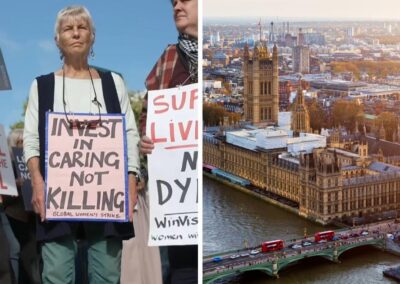




Many prominent people with disabilities in the arts, media, journalism, academia, and the charity sector have called on the Prime Minister to stop the assisted suicide Bill progressing and instead fix palliative and end-of-life care.
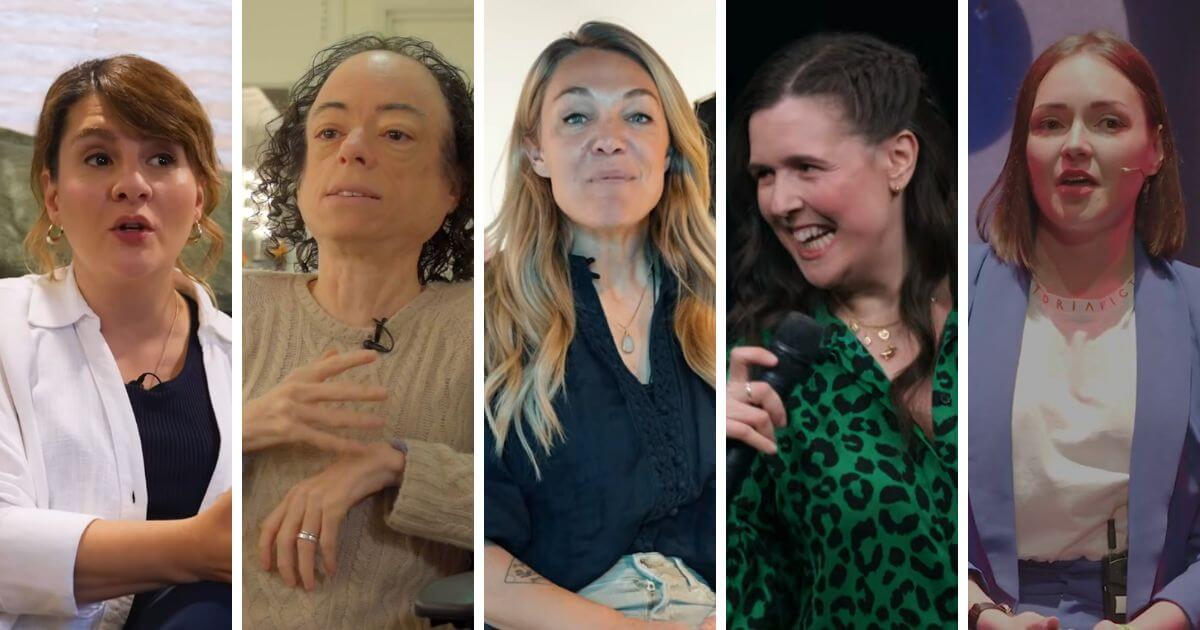
Those people joining the call include the actors Liz Carr and Ruth Madeley; the comedian Rosie Jones; the television presenter Sophie Morgan; the fashion designer Victoria Jenkins; and chief executives from charities such as Disability Rights UK, Inclusion London, and Camden Disability Action.
In an open letter on 14 August, the group ‘Assist Us To Live’ told Andy Burnham that the lives of people with disabilities have been “consistently devalued” and that assisted suicide should not be legalised while this status quo continues.
The campaigners argue that there is a persistent narrative that is perpetuated that people with disabilities “are burdens, benefit scroungers and that it’s better to be dead than disabled”.
The campaigners said many of these people, and others in society, have internalised these claims and believe them to be fact, saying, “Many disabled people have been made to consider suicide – not by the impact of our conditions, but the social context we live in”.
The open letter sheds light on many difficulties faced by people with disabilities, who often do not have real autonomy in their lives, including not having autonomy in being able to get out of bed, eat or drink independently, leave their home, or manage their pain. The campaigners argue that, if assisted suicide were to be legalised, many people would end their lives “simply because they are being failed by society”.
“Put simply, introducing assisted dying in these circumstances will put sick and disabled people’s lives at risk”, they stated.
The campaigners have called for “a halt to the legislative process around assisted dying until disabled and terminally ill people have as much support to live as this bill would provide for us to die”.
They have also urged the Prime Minister to ensure palliative care is fully funded to the extent that care is available to anyone who needs it, to ensure that no one may feel obliged to end their lives due to an inability to access care.
Kyla Harris, the actress and filmmaker who appended her name to the open letter, said that people with disabilities need “structural and social support to live, not to die”.
Prime Minister Andy Burnham makes it clear that the care sector’s problems must be fixed before assisted suicide is debated
The open letter to Andy Burnham comes shortly after the Prime Minister said that the debate around introducing assisted suicide should not take place in a context where palliative and social care remain poorly funded, confirming “that’s the position I will stick to”.
Responding to a question from Sam Coates, deputy political editor at Sky News, Burnham said, “I take the view that that debate – and I don’t say that there shouldn’t be a debate at some point about those issues – personally, I think there’s something that needs to happen first”.
“That is the fixing of the funding of palliative care and social care”.
“I think it is very challenging to introduce that wider debate in the context of people not receiving that care and having the peace of mind about that care”.
Toby Porter, the CEO of Hospice UK, said that the organisation “welcome[s] the Prime Minister’s recognition that palliative care must be fixed as a priority so everyone can get the care they need”.
The organisation has consistently raised concerns about legalising assisted suicide amidst a crisis regarding fragmented and underfunded care.
In June this year, Katie Reade, Head of Policy & Public Affairs at Hospice UK, said, “It is unacceptable that anyone might feel they have to consider an assisted death because they fear they will not receive the care they need at the end of life”.
“Real choice at the end of life means people have equitable access to high-quality care, whoever they are and wherever they live”, she added.
As the revived assisted suicide Bill is set to have its Second Reading in the House of Commons on 11 September, Hospice UK reiterated that “[m]any significant unanswered questions for hospices remain, including workforce impacts and financial impacts on a sector already under pressure”.
“Opponents and supporters of the assisted dying Bill alike must fight to ensure high-quality palliative and end of life care is available to everyone who needs it, and hospices are properly funded, to be there for everyone who needs them”, Reade said.
Spokesperson for Right To Life UK, Catherine Robinson, said “We are so thankful to all those involved with Assist Us To Live and who appended their names to the open letter calling for the halt of the assisted suicide Bill while end-of-life care is in crisis”.
“People with disabilities are seriously worried that if assisted suicide were to be made legal in a context where hospice and other end-of-life care services are unable to meet the demand of those who need them, people could decide to end their lives by assisted suicide because they feel that they do not have any other real choice”.
“MPs must vote against the new Bill at Second Reading in the House of Commons on 11 September. Lives depend on it”.