



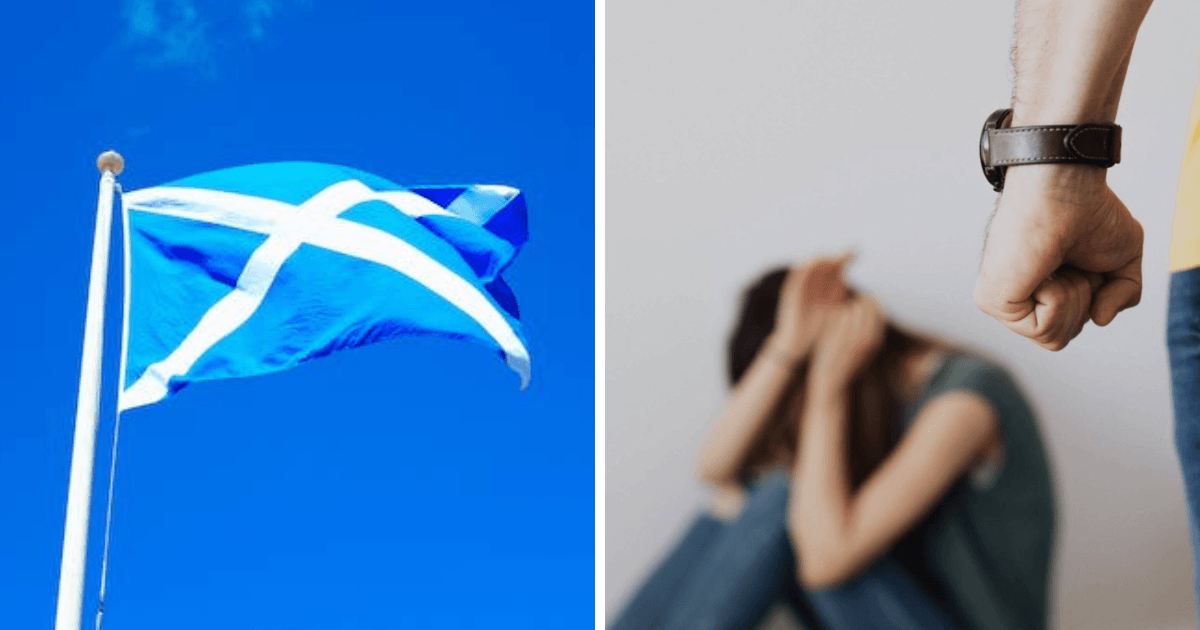
New polling has revealed that almost seven in ten Scots are concerned that domestic abuse victims could feel pressured into ending their lives by assisted suicide if it is made legal.
The polling, conducted by Whitestone Insights between 24 February and 3 March, found that 68% of respondents expressed concern that some victims of domestic abuse would feel pressured into ending their lives by assisted suicide if it were permitted, rising to 83% for those aged 18–24.
The polling also revealed that respondents were doubtful that existing safeguards in the Bill would be adequate to detect coercion in cases of domestic abuse, with respondents agreeing on this by a margin of three to one.
58% of respondents agreed that the current safeguards would not be able to reliably identify domestic abuse in relation to assisted suicide cases, with this number rising to 61% when people with disabilities were polled.
Additionally, by a margin of more than two to one, respondents agreed that Members of the Scottish Parliament (MSPs)should reject assisted suicide legislation if it risks facilitating domestic abuse, no matter how few cases.
Fiona Mackenzie, the Chief Executive of think tank The Other Half, said the polling revealed that Scots were “worried about the vulnerable being coerced into state death”, adding that “MSPs cannot ignore the real likelihood that this bill becomes a weapon of femicide”.
The polling comes in the same week as the Assisted Dying for Terminally Ill Adults (Scotland) Bill, which, as written, would legalise assisted suicide for adults resident in Scotland with no prognosis requirement specified, begins its Stage 3 debate in Holyrood ahead of a final vote on the Bill.
While the leaders of the three largest parties in Holyrood are opposed to the assisted suicide Bill, MSPs are free to vote however they wish on the Bill. Three MSPs who supported the Bill last year have publicly changed their views and now oppose it, meaning that if only four more MSPs change their minds and commit to voting against the Bill, it will fail.
Scottish Conservatives leader now opposes the Bill due to concerns about coercion
Earlier this week, the Leader of the Scottish Conservative Party, Russell Findlay MSP, dropped his support of the Scottish assisted suicide Bill, vowing that he will now vote against it as “the risks are too great”.
Findlay said that chief among his concerns was “the real risk that people could be coerced into ending their own lives”.
Spokesperson for Right To Life UK, Catherine Robinson, said “This new polling shines light on the reality that the majority of Scots are incredibly concerned about the impact that assisted suicide would have on vulnerable people”.
“Victims of domestic abuse could be pressured into ending their lives by assisted suicide under this Bill, and the safeguards present within it are wholly inadequate to prevent such tragedies”.
“MSPs should listen to these concerns and commit to voting against the assisted suicide Bill. The most vulnerable people in our society depend on this”.