




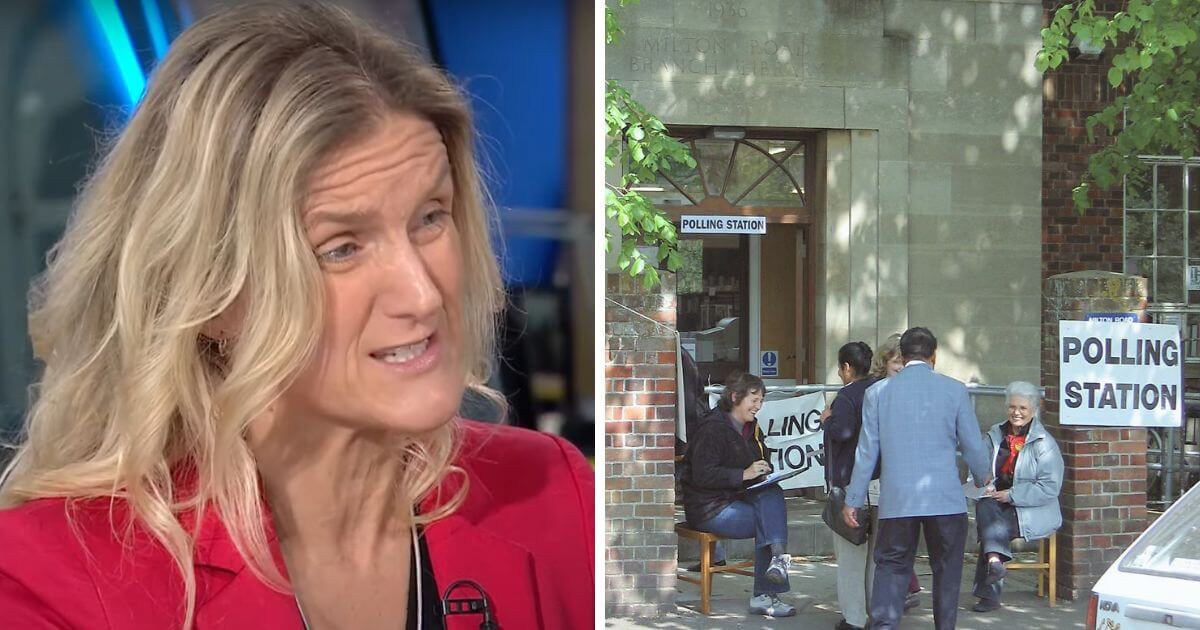
In the borough containing Kim Leadbeater’s Spen Valley constituency, Labour lost every single council seat it held in last week’s local election, only weeks after the historic collapse of the Labour MP’s assisted suicide Bill.
Across the elections on 7 May for Kirklees District Council, which entirely contains Kim Leadbeater’s Spen Valley parliamentary constituency, the Labour Party did not win a single seat. The Party went from being the largest party on the council before the election, with 23 seats, to now not having a single seat on the entire council.
Electoral Calculus, which predicts outcomes for elections, now predicts that Kim Leadbeater MP will lose her seat at the next general election, with Reform UK having a 46% chance of winning, at the time of writing.
Labour suffers historic election losses following failure of controversial assisted suicide Bill
The loss of all Labour seats within Kirklees District Council and the losses experienced by the Labour Party following the elections that took place on 7 May 2026, come only weeks after the failure of the assisted suicide Bill in the House of Lords.
The Labour Party lost 1,496 council seats in England. In Scotland, the Party lost four seats. In Wales, Labour lost a total of 35 seats in the Senedd.
These dramatic changes come amid party divisions relating to the assisted suicide Bill. 224 of the 314 votes in favour of the Bill came from Labour MPs, while 160 Labour MPs voted against the Bill at Third reading last year, and the Cabinet is known to be divided on the issue.
MPs turn against assisted suicide Bill
Despite the Leadbeater assisted suicide Bill passing its Third Reading in the House of Commons on 20 June 2025, it scraped through by just 23 votes (314–291), a significant reduction in support after passing its Second Reading with a 55-vote majority. This collapse in support for the Bill was the largest proportional drop between those two stages in more than 160 years.
Now, polling has suggested that more MPs would oppose the assisted suicide Bill than could be relied upon to back it if the Bill were revived in the next parliamentary session.
The polling, which was carried out by Whitestone Insight, found that only 41% of MPs surveyed can now definitely be relied upon to vote “Aye” again, while 45% said they would continue to vote no, suggesting that if the legislation were to be put to a vote today, it would likely be rejected by the House of Commons.
Only 12 MPs need to change from supporting the previous Bill to opposing the new Bill for the new Bill to fail, so the poll suggests that any MP considering bringing back the assisted suicide Bill after the King’s Speech would likely be destined to fail.
Spokesperson for Right To Life UK, Catherine Robinson, said “It seems from the results of the elections, particularly those in the Kirklees area, where Kim Leadbeater is many people’s MP, that assisted suicide is not a vote-winner. In fact, it would appear that it is actually a vote-loser”.
“The assisted suicide Bill’s stint in Parliament was completely farcical, and only exacerbated the deep divisions that exist within the Labour Party. If the Party wants to have any chance of success at the next General Election – or if it wishes to ameliorate its losses – its MPs should not attempt to bring back the assisted suicide Bill in the next session of Parliament”.
“The public clearly doesn’t want it, and polling suggests that MPs would not support it, either. It is time to let the Bill die a permanent death”.