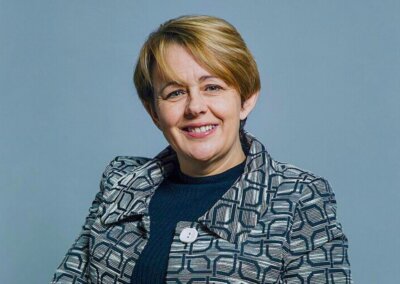




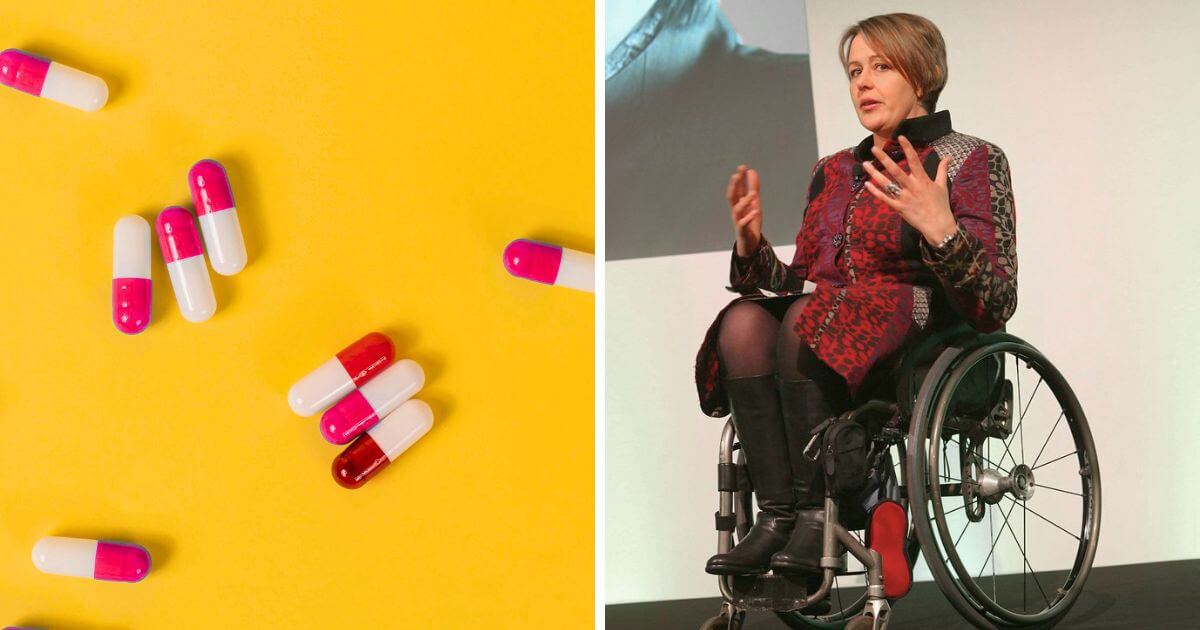
Former Paralympian, Baroness Tanni Grey-Thompson, believes the combination of legalising assisted suicide and introducing significant benefit cuts will make the lives of many terminally ill people with disabilities “intolerable” and force them to end their lives early.
As Government plans to cut between £5bn and £6bn from the welfare bill through cuts to disability benefits have come to light, wheelchair racing legend Grey-Thompson has argued that the combination of these cuts, along with the introduction of Kim Leadbeater’s assisted suicide Bill, is “extremely worrying”. She told Times Radio “If you are disabled and terminally ill and your benefits are cut, making life intolerable, it’s obvious more people will feel forced down this route to end their lives early”.
Baroness Grey-Thompson also argued that the recently introduced panels on the assisted suicide Bill that will approve assisted suicide applications, dubbed the ‘death panels’, which will include a more junior legal figure, a social worker and a psychiatrist, will be happy to enable disabled people to end their lives, saying “And when you understand that we live in a relatively able society, there will be people who sit on the panel who will decide that a disabled person has nothing to offer society and will allow them to end their lives”.
Concerns about being “a financial burden”
Liberal Democrat MP Sarah Olney, who is a member of the assisted suicide Bill Committee scrutinising Kim Leadbeater’s Terminally Ill Adults (End of Life) Bill, said that the combination could be a “perfect storm” for people with disabilities who may feel pressure to end their lives and that the cuts to living costs “might well contribute to their feelings that they might be a financial burden on their relatives and that will influence them in terms of how they feel about assisted dying”.
Olney added “It’s absolutely a concern of the committee that people might be seeking an assisted death for that reason”.
Olney’s concerns about being “a financial burden” have been a constant theme throughout the assisted suicide Committee’s deliberations. In a revealing exchange, MP Danny Kruger asked Leadbeater whether she would “be content if somebody who had capacity chose an assisted death for the purpose of saving their family money?”. Leadbeater replied saying the situation was more complicated than he suggested.
He followed up by asking “If they have been judged to have capacity, choosing to have the assisted death in order to save their family money would be acceptable under her Bill, would it not?”.
Leadbeater again refused to rule out this possibility, saying that “We are oversimplifying a complex situation and a difficult conversation” and calling for “expertise” that would be achieved “by providing serious amounts of training around this issue”.
Rebecca Paul MP also attempted to elicit a specific response from the Bill’s sponsor on this point.
“[W]ould someone be allowed to access assisted dying if it was clear that they had capacity and their reason for it was simply not to cost their relatives financial expense or be a burden[?] It is important to be honest about what the Bill does. Is the answer to that yes?”.
In her answer, Leadbeater appeared to confirm that as long as the other criteria were met, if someone requested assisted suicide due to concerns about being a financial burden on relatives, this would be a legally acceptable reason for assisted suicide.
“Ultimately, it comes down to a question of autonomy, dignity and choice for patients, but they are not simple conversations”, she said.
Worrying reports from Canada justify concerns
Labour MP Rachael Maskell, who is heading up a rebellion of about 80 MPs against the welfare cuts and is also an opponent of assisted suicide, echoed Olney’s concerns, saying “’I’m deeply concerned about the intersection we have about hearing that the social security is going to be cut for people whilst at the same time we’re talking about [assisted suicide] legislation”.
Maskell added that “those safeguards [against coercion] still are not in the bill and I am deeply troubled by this”.
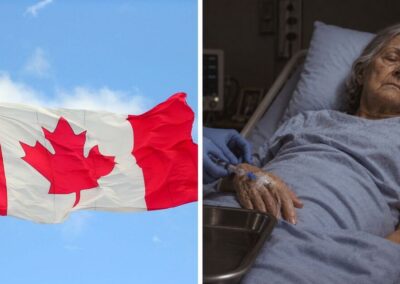
The concerns of Baroness Grey-Thompson and the MPs appear to be justified by reports from Canada, where legislation allowing euthanasia and assisted suicide was passed in 2016.
The first official report on euthanasia and assisted suicide in Ontario, Canada: the ‘MAiD Death Review Committee Report’, released in October 2024, showed that poor and vulnerable Canadians are choosing assisted suicide and euthanasia under Medical Assistance in Dying (MAiD) because of socioeconomic circumstances.
The report shares some disturbing accounts, such as that of Ms B in her 50s who suffered from multiple chemical sensitivity syndrome (MCSS) and a history of serious mental health difficulties. The state was unable to secure housing for her medical needs and “[a]s a result of her housing situation and conditions, necessary to address her MCSS, Ms. B experienced social isolation, which greatly contributed to her suffering and request for MAiD”.
Responding to Ms B’s request for MAiD, some of the committee members “cautioned that a social issue, housing, was at the forefront of this request, not in keeping with a medical condition” and some “feel that MAiD is not a solution for all society and policy failures, furthering social injustices”.
Most of the committee “agreed that the MAiD process should give way to urgent social services intervention and maximize supportive healthcare options to reduce symptoms and suffering prior to proceeding with MAiD”.
Spokesperson for Right To Life UK, Catherine Robinson, said “Baroness Grey-Thompson is right to be concerned that the dangerous combination of the assisted suicide Bill and benefits cuts poses a significant risk to people with disabilities and may pressure them to consider assisted suicide”.
“It is hugely worrying that being a financial burden on relatives will be a legally acceptable reason for assisted suicide under Leadbeater’s dangerous Bill, and is especially bad news for those who are disabled, poor and vulnerable. MPs who are unsure about the Bill should recognise these acute dangers and vote it down at Third Reading”.