



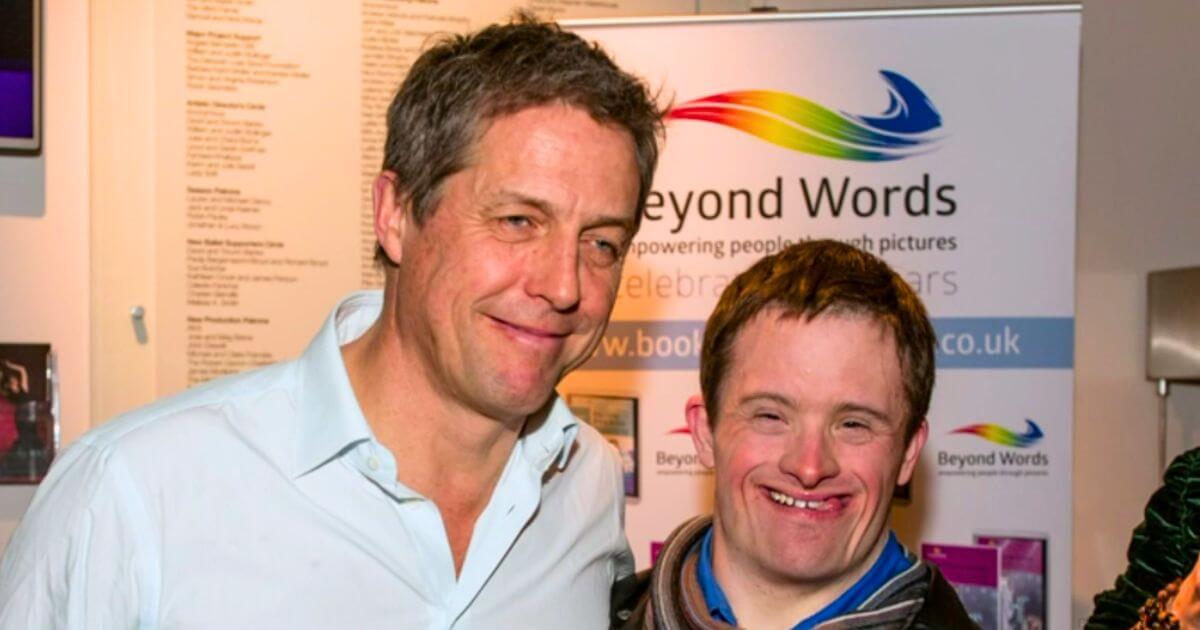
Tommy Jessop, an actor with Down’s syndrome known for his role in the prime time BBC drama, Line of Duty, has petitioned Hollywood to make a new superhero film starring an actor with Down’s syndrome.
A BBC documentary released last month follows brothers Tommy and Will Jessop as they attempt to shake up Hollywood with their new screenplay.
When Jessop’s acting agent told him his ambition of being the next James Bond was unrealistic, he turned his mind to superhero films.
Inspired by the success of films such as The Peanut Butter Falcon, which gave a leading role to Zack Gottsagen, an actor with Down’s syndrome, the Jessop brothers pitched the idea of a superhero with Down’s syndrome to Hollywood.
Villain is a scientist who wants to rid the world of Down’s syndrome
Tommy did not shy away from difficult truths in the documentary. His superhero, Roger Mitchell, faces an arch-nemesis, scientist Noel Skum, who is trying to “screen out” people with Down’s syndrome. Tommy describes the villainous scientist as trying to “get rid of” people with Down’s syndrome.
In a read-through of part of the script, the villain declares to the superhero “Your DNA is a mistake … you have an extra chromosome that corrupts the rest of it”. When the superhero with Down’s syndrome responds that his extra chromosome is a gift, Skum retorts “It’s a gift no one wants … you have nothing to offer us”.
A screenplay that reflects Tommy’s real life
Earlier in the programme, Tommy and members of his family speak about prenatal diagnostic testing, or screening, which allows families to learn if their baby has Down’s syndrome before he or she is born. Campaigners have highlighted that this screening has led to a significant increase in the number of lives of babies with Down’s syndrome ended by abortion.
During the documentary, Will asks his brother what he thinks about this screening. Tommy replies “Well, I’d rather not be able to feel about it”. His mother, Jane, is more vocal about it. She describes the screening process as “very upsetting” and says that it targets people with Down’s syndrome. She asks viewers to imagine “someone singling you out and they don’t want you to be born”.
It is in the light of this reality that Tommy’s superhero and villain take their shape. The Line of Duty actor describes himself as “on a mission” to stop scientists from getting rid of people with Down’s syndrome. He sees his superhero film as helping to stop this.
Hollywood A-listers lend a helping hand
Despite facing numerous rejections, the Jessop brothers are persistent in trying to get their film idea off the ground. They manage to secure a meeting with Game of Thrones actor Kit Harrington. The Golden Globe Award nominee expressed enthusiastic support for the film and encouraged Tommy to pursue his dream with determination.
Harrington shared that his own cousin, Laurent, has Down’s syndrome. The star explained that he thought his cousin had a superpower of empathy and encouraged Tommy to include that trait in his screenplay’s character.
The actress Neve Campbell, known for her role in the Scream franchise, also encouraged the actor to believe in himself. She said that she finds the idea of the film interesting as an important way of “changing people’s perceptions” and allowing Tommy to share what his “actual life story is”.
“My superpower is the extra chromosome”
The documentary ends with Tommy and his brother, Will, securing a meeting with producer Joel Zadak. After reviewing their screenplay, Zadak asked Tommy what his superpower would be. “[An] extra chromosome”, Tommy replies. “And it’s also trying to be a voice for other people with Down’s syndrome as well”.
Jessop has used his high profile to do just that. He has been outspoken against screening out people with Down’s syndrome. Backing the launch of the All-Party Parliamentary Group on Down Syndrome in 2021, he said “We are the only group of people in the UK where people try to end our lives before we are born, just because we have Down syndrome. This is not fair. It scars our lives and causes mental health problems”.
UK abortion law disability discrimination
Currently in England, Wales and Scotland, there is a general 24-week time limit for abortion, but if the baby has a disability, including Down’s syndrome, cleft lip or club foot, abortion is legal right up to birth.
There were 3,370 disability-selective abortions in 2021. The number of late-term abortions at 24 weeks gestation or over where the baby has a disability increased by 20% from 229 in 2020 to 274 in 2021.
Government statistics showed there were 859 abortions where a baby had Down’s syndrome in 2021, an increase of 24% from 2020. The statistics also show a 71% increase in late-term abortions at 24 weeks gestation or over where the baby had Down’s syndrome, increasing from 14 in 2020 to 24 in 2021.
Right To Life UK spokesperson, Catherine Robinson, said “This is a very important documentary that highlights the ongoing mistreatment and misunderstanding of people with Down’s syndrome”.
“Ending the lives of babies with Down’s syndrome through abortion is a horrific practice that is fueled by preconceived ideas about the value of life for those with disabilities. Tommy’s advocacy helps to break down these ideas and reminds us of the value of every human life”.
“We hope Tommy’s film makes it to the big screen so that even more people can hear his important message”.