



A Labour Party MP has argued that end-of-life care must be fixed ahead of any debate about the legalisation of assisted suicide, echoing comments made by the Prime Minister last month.
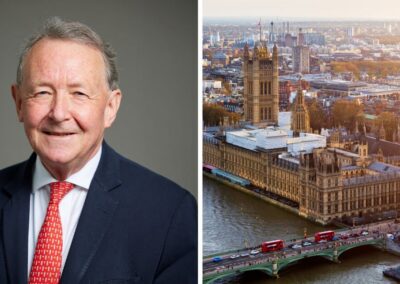
Just weeks before Second Reading of the new assisted suicide Bill on 11 September, Adam Jogee, the Labour MP for Newcastle-under-Lyme, has argued that poor access to high-quality end-of-life care, which many people experience, could lead to individuals ending their lives by assisted suicide due to a lack of care.
“If even one person feels driven to choose an assisted death because suitable care is unavailable, or because they worry that their family cannot cope because support is inadequate, then we will have failed to be the compassionate society that we think we are”, Jogee said.
The Member of Parliament asked whether individuals could have a real and meaningful choice at the end of their lives if proper care is “too often inaccessible, inconsistent and overstretched”.
Jogee pointed to numerous examples of the care crisis to explain why legalising assisted suicide in this context would be disastrous, including referring to a report from Hospice UK that revealed that approximately two-thirds of people who live in rural areas are unable to access palliative and end-of-life care close to home, which could make them feel pressure to end their lives by assisted suicide if the practice were to be legalised.
He added that many people only realise that accessing such vital end-of-life care is difficult only when they need it, and stated that data has shown that almost 60% of hospices in England have made or are considering making cuts to frontline services, meaning that unless drastic changes are made the situation will likely get worse rather than better.
Jogee reiterated that this “broken system” also leaves those who work in care services feeling “undervalued and underpaid”.
“That cannot be the foundation upon which we ask Parliament to make one of the most profound life-and-death decisions of our time”, he said.
Jogee also outlined how having mental health services that are in need of improvement could also have a detrimental impact on individuals if assisted suicide were to be legalised.
“It would be reckless to introduce assisted suicide at a time when thousands are left without the treatment and support they need to deal with serious mental ill health”, the Member of Parliament expressed.
“A society should be judged not simply by how it responds when life is ending, but by how determined it is to ensure every person receives dignity, comfort and support until that moment comes”, he concluded.
Jogee is not the only Labour MP to make such arguments recently
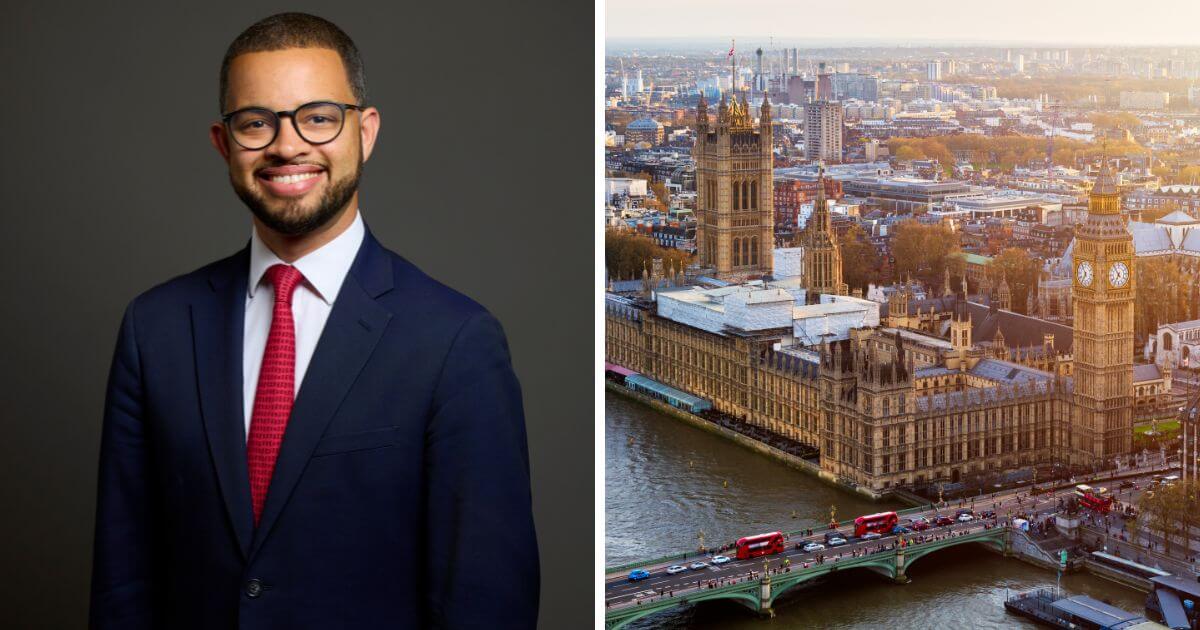
Jogee is not the only Labour MP to make such arguments in recent days. Earlier this month, Douglas McAllister, MP for West Dunbartonshire, expressed serious reservations about making assisted suicide legal when end-of-life care is in such a poor state.
McAllister, who voted against the last, almost identical, assisted suicide Bill, said his “concerns have not gone away”.
He explained that the assisted suicide Bill brought forward in the last session of Parliament by Kim Leadbeater underwent many months of scrutiny in the House of Lords. The recent Bill brought forward by Lauren Edwards is an almost identical copy of the Leadbeater Bill, meaning that, if MPs vote it through at Second Reading on 11 September, “we once again face months debating the same issue that dominated headlines and divided colleagues and communities last year”, McAllister observed.
He reminded readers that the Labour Party manifesto for the 2024 General Election promised to fix the country’s broken public services, including improving health and social care.
“It is difficult to talk about genuine ‘choice’ and ‘autonomy’ over death if people weighing up a potential suicide cannot access specialist palliative care; or if disabled people must still fight for the support that allows them to live independently”, he said.
MPs’ comments come as the Prime Minister states that end-of-life care must be fixed before assisted suicide debate occurs
Both of these MPs are echoing concerns raised by the Prime Minister last month. He said that the debate around introducing assisted suicide should not take place in a context where palliative and social care remains poorly funded, confirming “that’s the position I will stick to”.
Responding to a question from Sam Coates, deputy political editor of Sky News, Burnham said,
“I take the view that that debate – and I don’t say that there shouldn’t be a debate at some point about those issues – personally, I think there’s something that needs to happen first”.
“That is the fixing of the funding of palliative care and social care”.
“I think it is very challenging to introduce that wider debate in the context of people not receiving that care and having the peace of mind about that care. And that’s the way I kind of see this, and that’s the position I will stick to”.
Spokesperson for Right To Life UK, Catherine Robinson, said “We are grateful to Adam Jogee for speaking out so passionately on this important issue”.
“It is clear that assisted suicide would be a disaster if it were introduced at any time, but especially so in the midst of a crisis in end-of-life care”.
“MPs should ensure they listen to what Adam Jogee, Douglas McAllister, the Prime Minister, and many others have said, and vote against the assisted suicide Bill at Second Reading next month”.