



A doctor cleared of murder for euthanising a vulnerable woman with dementia has waived her anonymity to declare she did the “right thing”, even though her patient said “no” three times.
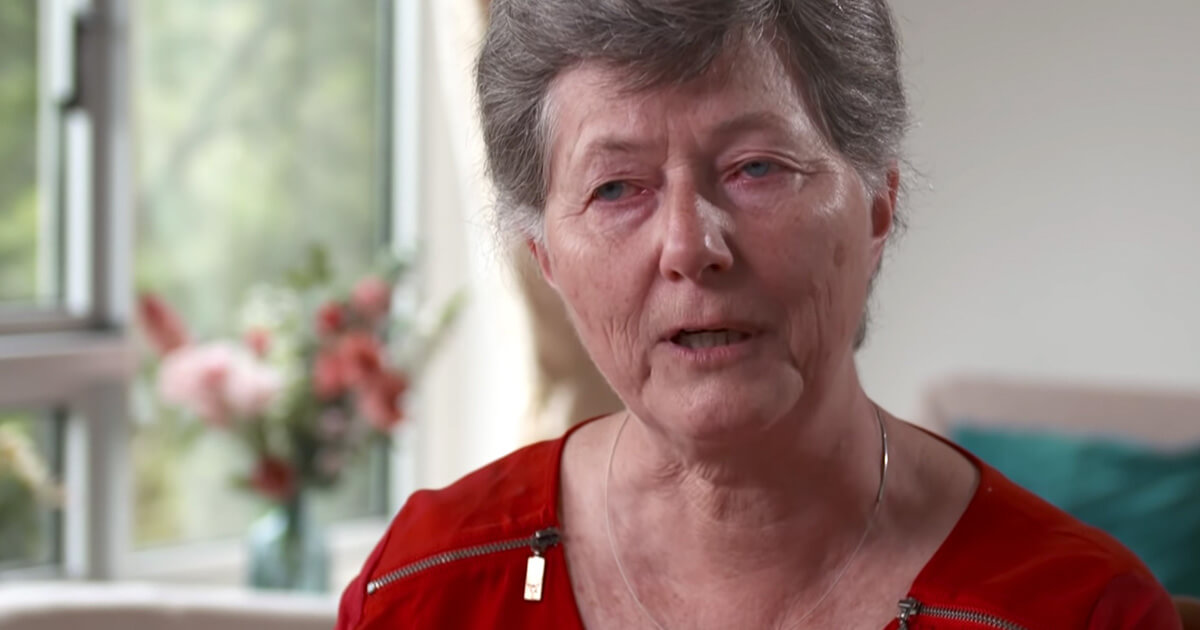
In an interview with Dutch current affairs programme Nieuwsuur, Marinou Arends attempted to justify her actions saying they were “for the best”.
On April 22, 2016, the now-retired doctor euthanised a 74-year-old woman with Alzheimer’s who had been admitted to Mariahoeve care home in The Hague seven weeks before.
The vulnerable patient had earlier written a directive asking for euthanasia in the event that she was admitted to a nursing home due to dementia, but indicated she wanted to determine when “the time was right.”
But, once in the nursing home, she gave “mixed signals” about wanting to die.
And in the days leading up to her death, the patient affirmed her desire to live, saying, “I don’t want to die,” on several occasions.
Arends asked the woman three times if she wanted euthanasia, but on each occasion, she answered that she did not.
“I couldn’t get this confirmation, and without it I had to take this step,” said Arends.
“If you asked her: ‘What would you think if I were to help you to die?’, she looked bewildered and said: ‘That’s going a bit far!’ I saw in her eyes that she didn’t understand it anymore.”
She added: “It was tremendously difficult, but for the best. I believed I was working within the boundaries of the law.”
Despite her requests, Arends judged her mentally incompetent and in “close consultation” with her family decided that she should be euthanised because of her prior directives – a decision that the Dutch courts eventually ruled was legal.
The doctor slipped a sedative into the woman’s coffee to relax her before administering the lethal injection.
During the assisted suicide, the patient awoke and started to resist the procedure causing the doctor to ask the family for help in holding down the vulnerable woman while she finished the procedure.
In the court case that followed, prosecutors argued the doctor did not properly consult with the 74-year-old patient.
However, in 2019, a district court in The Hague ruled that doctors in the Netherlands can no longer be prosecuted for carrying out euthanasia on dementia patients who have previously given written consent.
Previously, those with dementia would need to reconfirm their earlier request.
in a summary of its decision, the Dutch Supreme Court stated: “A doctor can carry out an (earlier) written request for euthanasia from people with advanced dementia”.
The ruling, which was upheld earlier this year, not only exonerated Arends’ actions but means another legal safeguard protecting vulnerable people from euthanasia has been removed.
The case attracted critical attention when details were reported to the Regional Euthanasia Review Committees, which assesses all of the Netherlands’ roughly 6000 annual cases.
Over 200 Dutch doctors took out a newspaper advert saying they would not perform euthanasia for a patient with dementia without their confirmation.
However, Arends mantains she did the “right thing”, saying: “This was [a] unanimous [decision], a choice between an average residency of seven years, seven years of suffering, or – on the basis of the fundamental message in her living will – giving her the euthanasia she longed for.”
The country’s only euthanasia clinic recently revealed that it had seen a 22% increase in requests from people seeking assistance to end their lives last year compared to 2018.
There was also a 37% rise in requests from dementia patients, from 70 in 2018 to 96 in 2019.