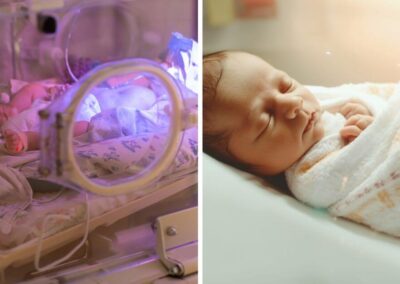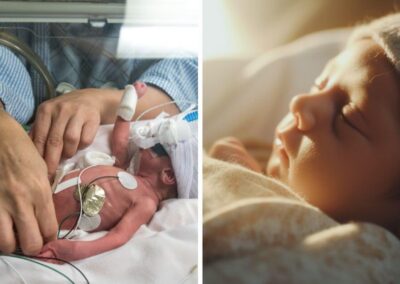




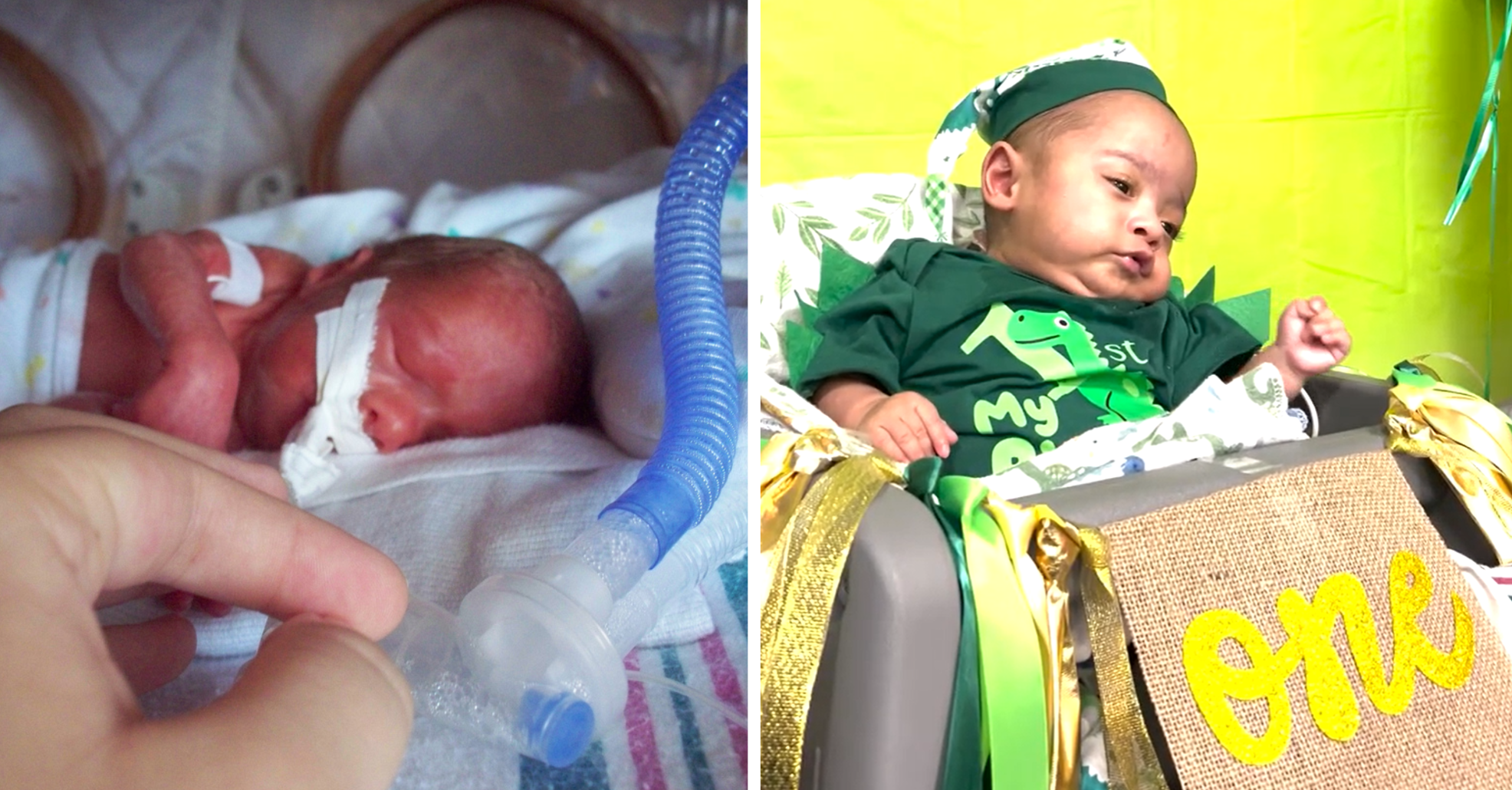
A micropremmie born at just 22 weeks gestation and given only a 10% chance of survival has celebrated his first birthday with the neonatal team that has cared for him throughout his life.
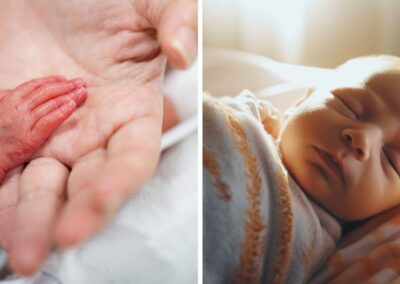
Baby Safir weighed only 1lb 3oz when he was born and was described by doctors as being “at the limits of viability”.
He has spent his entire first year in neonatal care, undergoing multiple operations and overcoming serious medical complications. He is now thriving, weighs more than 8lb and is preparing to leave hospital for the first time.
Hospital staff marked the milestone by holding a special birthday celebration for baby Safir and his family.
Born at the limits of viability
Safir’s parents, Fahmida and Shaharier, had previously lost a son at only eight days old who was also born prematurely.
The family were therefore devastated when Fahmida unexpectedly went into labour at just 22 weeks gestation. “Suddenly, it happened. My bleeding started, [it was] pain[ful], and he was born”, she recalled. “Today I can see him, I really don’t know”.
Dad Shaharier remembered that the family initially believed baby Safir would not survive. “When he was born, our hope [was] already gone because we thought he might not survive”, he explained. “We didn’t expect that he [would] survive”.
Dr Michelle Herring, medical director at the hospital, recalled how “teeny” Safir was when he first entered the neonatal intensive care unit. He was “really at the limits of viability”, she observed. “At 22 weeks, it is extraordinarily premature, so a very fragile little child”.
Dr Adrian Florens, a neonatologist at the hospital, emphasised the uncertainty faced by babies born at this stage. “The chances of survival are low”, he explained. “Let’s say, if you want to say, 90% of them don’t survive, and once we get into the complication aspect of it, 90% of them have severe complications”.
Multiple surgeries during first year
During his first year, baby Safir underwent several operations and faced numerous medical challenges. Many of the procedures involved his stomach and were intended to help him tolerate food.
His parents also had to divide their time between baby Safir in hospital and their teenage daughter at home. Despite the difficult journey, baby Safir continued to grow stronger and became known among hospital staff for his resilience.
Allie Soderholm, one of the nurses who cared for Safir, described him as a fighter who had endured an exceptionally difficult first year. “He’s had a very rough journey. He’s been through a lot”, she reflected. “He’s a fighter, obviously, as you can see”.
Baby Safir also became a much-loved presence among the doctors, nurses and therapists caring for him. “He’s really a miracle. He’s just a miracle. He’s so strong”, Nurse Soderholm continued. “He just lights up the room. Every nurse, every doctor, every therapist just loves him”.
Baby Safir has now grown from just 1lb 3oz at birth to more than 8lb. His parents and medical team are now waiting for the day when he will be well enough to leave hospital and go home with his family for the first time.
“Thanks to the St Mary’s Hospital [medical team]. They are working very, very hard. They are the best hospital”, dad Shaharier said. “Now we are waiting for when he will go home with us”.
Spokesperson for Right To Life UK, Catherine Robinson, said “Baby Safir’s first birthday is an extraordinary milestone for a little boy who was born at just 22 weeks and given only a 10% chance of survival. Incredibly, after a year, he weighs as much as a healthy newborn. His story is a moving testament to his resilience, the devotion of his family and the remarkable care provided by his medical team”.