



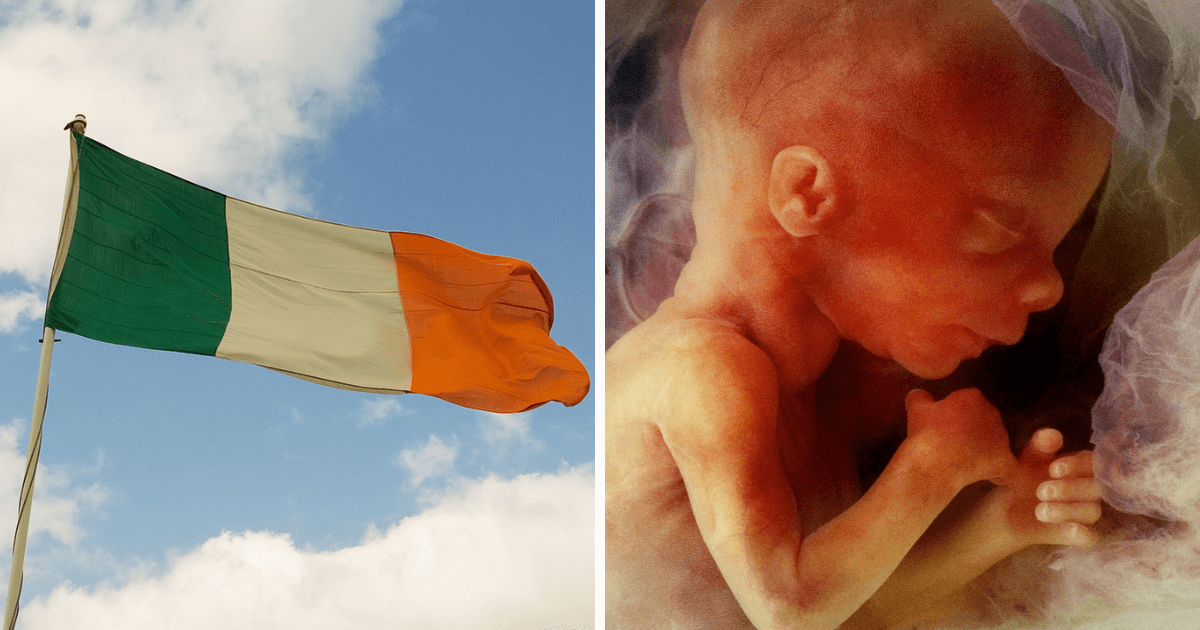
108 babies were born alive and possibly left to die following failed abortions in Ireland between 2019 and 2023, according to new data published by the health service.
According to reports, the figures released by Ireland’s Health Service Executive (HSE), following a parliamentary question asked by Independent Teachta Dála (Member of Parliament) Mattie McGrath, show that 29 babies were born alive after a failed abortion and subsequently died shortly afterwards in 2023, the most recent year for which data were available. There were 23 deaths of this nature in 2022, 14 deaths in 2021, 25 deaths in 2020, and 17 deaths in 2019; a total of 108 across these five years.
Furthermore, four of these babies were more than 24 weeks gestation and/or weighed more than 500g, in addition to not having been diagnosed with a major disability, meaning these babies may have been able to survive outside the womb.
How each of the 108 babies died and whether they were given medical care or left to die remains undisclosed.
Following the revelations, McGrath said he was “gravely concerned about any approach that reduces transparency around perinatal outcomes”.
“The public deserves full clarity on how all pregnancy related deaths are recorded and reported. I will continue to seek assurances that the reporting system contains relevant data that is accessible and clearly presented”, he added.
Spokesperson for Pro Life Campaign, Eilís Mulroy, said, “It is totally unacceptable that there’s still no clarity on what happens to these babies after they survive the attempt on their lives through abortion”.
“We have no indication or assurance that babies who are born alive after abortion, regardless of the circumstances, receive life-sustaining care or anything beyond ‘comfort’ or palliative care. Decisions are being made behind closed doors by abortion providers on how to treat babies that survive abortion – the very same people who moments earlier were performing a procedure with the sole intent of ending the life of the baby through the abortion. This unacceptable and unaccountable situation cannot persist”, she added.
Abortions in Ireland have increased by more than 62% since 2019
These revelations come as the abortion statistics released by the Department of Health in Ireland show there were a record 10,852 abortions in Ireland in 2024, a 62.8% increase since 2019, when the abortion legislation introducing abortion on demand in Ireland came into effect, and 6,666 abortions took place.
The report also shows that of the 10,852 abortions in 2024, 10,711 (98.7%) were not carried out based on risk to health or life of the mother or on the basis of a condition likely to lead to the death of the unborn baby.
There have been a total of 48,984 abortions in Ireland from the start of 2019 to the end of 2024, according to data from the Department of Health in Ireland.
Recent Australian case of baby born alive following failed abortion drew fierce criticism
Last month, in a high-profile case, a baby who was born alive in Queensland, Australia, following a failed abortion procedure at 16 weeks, was left to die sucking his thumb, according to information from a whistleblower at the hospital.
A photograph of the baby, known as Samuel, was initially shared on the Instagram account of Dr Joanna Howe, a Professor of Law at the University of Adelaide. Dr Howe stated that the photograph and other relevant information were passed on to her by Queensland health workers.
“He survived his abortion and was born alive and then left in a room by himself, sucking his little thumb, until he died”, Dr Howe said.
“We need to stand up for these little babies who are being killed right up until birth, and if by some miracle they survive their abortion, they’re being left to die”, she added.
Spokesperson for Right To Life UK, Catherine Robinson, said “It is horrific to hear of these cases where babies who are being born alive following failed abortions may simply have beenleft to die. These babies should be given the same medical care as any other baby who was born not following an abortion, and it is deeply disconcerting that we do not know if they were provided with this level of care”.
“When women discover they are pregnant, they should be met with the practical help and support they need to continue their pregnancy. The law must be changed to ensure that the most vulnerable people in our society – unborn children without their own voices – do not have their lives unnecessarily ended”.