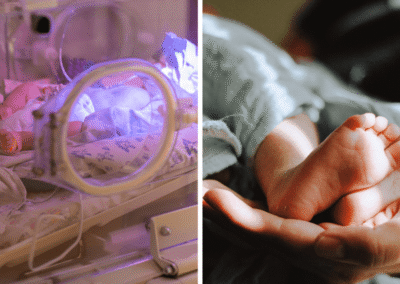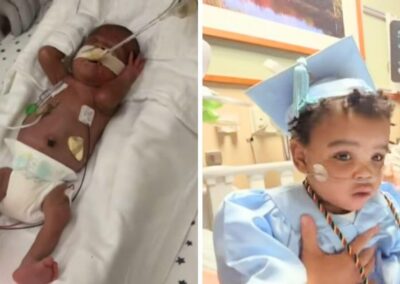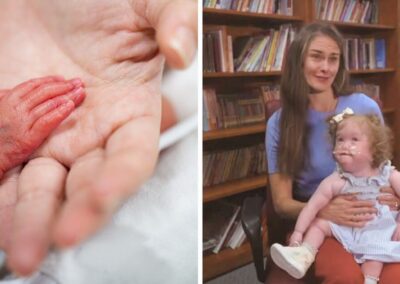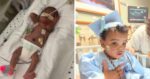




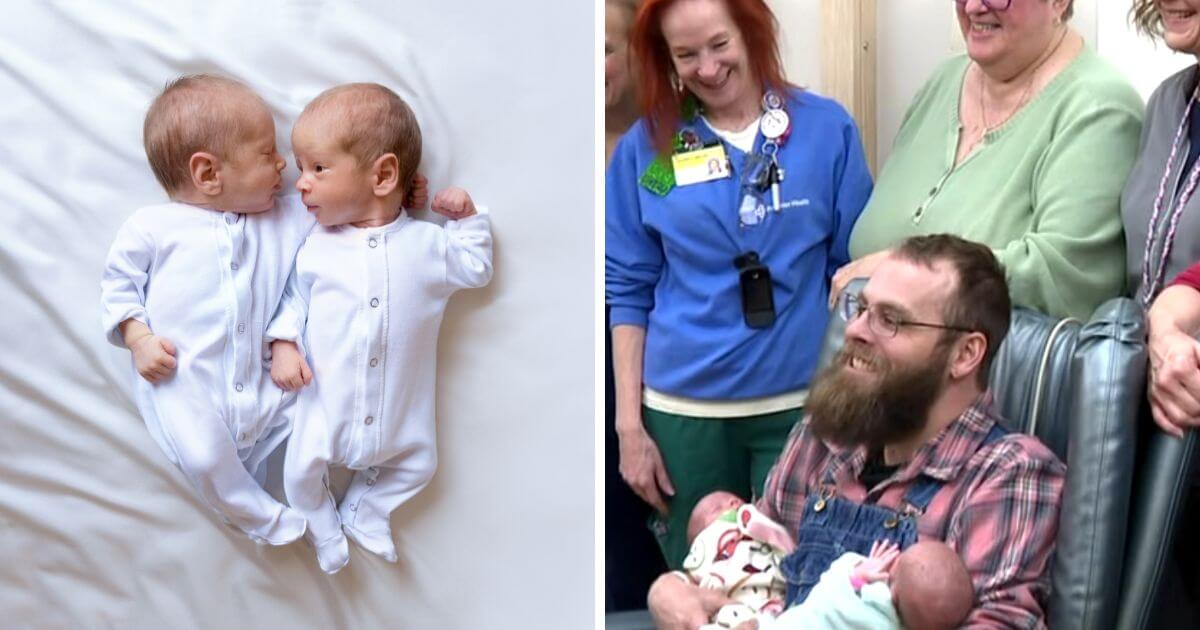
Two prematurely born twins are receiving care in the same neonatal intensive care unit (NICU) that their father received care in when he was born prematurely 35 years ago.
Brandon Creekbaum was born almost four months premature, 35 years ago. Now, he has returned to the same NICU as a parent when his twin daughters, Iris and Lyla, were born two months premature.
Some of the same medical professionals who treated Brandon as a baby in the neonatal intensive care unit are still working there, allowing him to reunite with some of his past carers.
“When you walk in, you have a nurse that took care of you holding your child. It makes you think, like, man, that was me”, Brandon said.
Marcia Brawner, Brandon’s primary nurse when he was born in 1991, said, “When people say, ‘Why did you work in the NICU,’ they hear Brandon’s story. He is the reason I stayed 32 years”.
Kim Morgan, a nurse practitioner at the NICU, said, “We took care of him 35 years ago, and now he’s walking and talking, and has a family, and we had a part in that”.
“Sorry, it’s just overwhelming. That’s something that our team did way back then, and now, here he is today”, she added.
Improved survival rates for extremely premature babies
In the 35 years between Brandon’s premature birth and his daughters’, the survival rates for extremely premature babies have significantly improved. A 2008 study looking at survival rates for a neonatal intensive care unit in London found that neonatal survival rates at 22 and 23 weeks gestation had improved over time. In 1981-85, no babies who were born at these gestational ages survived to discharge. However, by 1986-90, 19% did and this increased to 54% in the period 1996-2000.
In the decade to 2019 alone, the survival rate for extremely premature babies born at 23 weeks doubled, prompting new guidance from the British Association of Perinatal Medicine (BAPM) that enables doctors to intervene to save premature babies from 22 weeks gestation. The previous clinical guidance, drafted in 2008, set the standard that babies who were born before 23 weeks gestation should not be resuscitated.
Spokesperson for Right To Life UK, Catherine Robinson, said “This heartwarming story of two generations of premature babies thriving thanks to the dedicated care and support from medical professionals shows just how strong premature babies can be”.
“We extend our best wishes to Brandon and his family as they begin this new chapter of their lives together”.