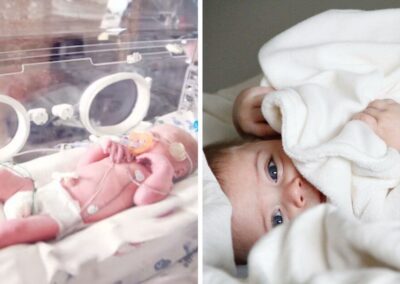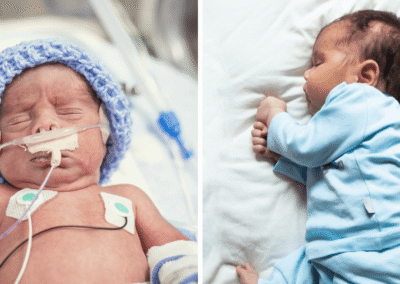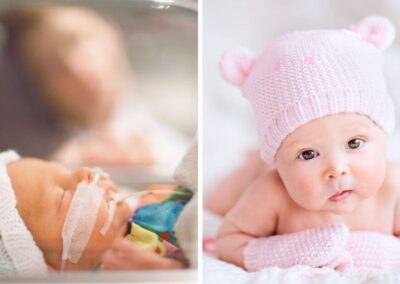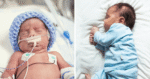




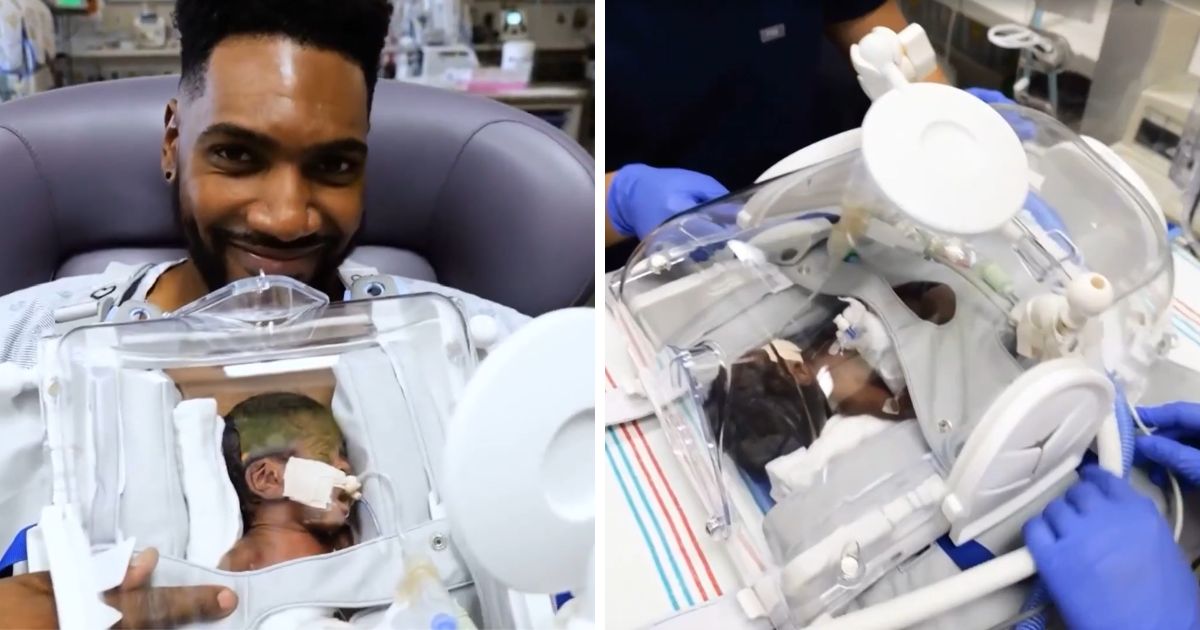
For mum Tiffany and dad Dorian, whose twins were born prematurely at just 26 weeks’ gestation, a device known as a ‘Skincubator’ has helped them overcome their initial fears about holding their newborn babies.
Skin-to-skin contact with premature babies, sometimes called kangaroo care, can help them survive and thrive, and a new device is helping parents provide that care even while their premmies are receiving intensive medical care.
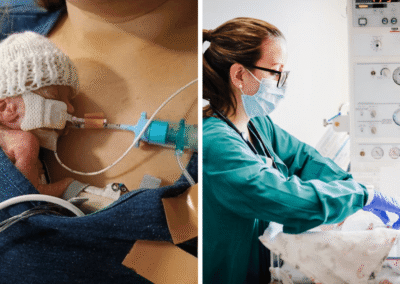
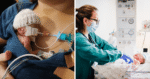
The Skincubator is a wearable system that allows parents to have skin-to-skin contact with their babies while they remain connected to essential medical equipment.
Following the early arrival of their twins, the couple found themselves surrounded by the tubes, wires and monitors needed to care for their babies in the neonatal intensive care unit (NICU).
Although they had eagerly anticipated meeting their babies, the medical equipment and the babies’ vulnerability made physical contact a daunting prospect.
“You’ve been waiting for so long to see them, and you can’t really just hold them and try to make them feel better”, mum Tiffany said. “So it was a scary, overwhelming feeling, I’d say”.
Dad Dorian shared his wife’s concerns, admitting that he had initially been afraid of doing something wrong when handling the twins.
“They were just so vulnerable, and I really was in my own way. I didn’t want to mess anything up”, he said.
However, after being introduced to the Skincubator, he began establishing regular skin-to-skin contact with his babies.
Describing the difference it had made, dad Dorian said “I just felt more at ease in the NICU and making it normal”.
The importance of skin-to-skin contact for premature babies
Skin-to-skin care can help premature babies maintain stable heart rates and breathing, as well as strengthen the bond between parents and their newborns.
However, providing this care can be particularly challenging in a NICU, where babies may depend on medical equipment that makes moving them into their parents’ arms more complicated.
The Skincubator has been designed to address this difficulty, enabling parents to hold their babies against their skin while the infants remain connected to the equipment they need.
Dr Jaclyn Ruggiero, a neonatologist, hopes the technology will help parents establish physical contact with their children sooner, particularly following the separation that can accompany a premature birth.
“It’s a medicine that they can provide to their baby and them alone”, Dr Ruggiero said.
Researchers are now examining whether the device affects the amount of time parents spend providing skin-to-skin care each day, alongside levels of parental stress during their babies’ stay in intensive care.
Spokesperson for Right To Life UK, Catherine Robinson, said “Every premature baby deserves the best possible care and every opportunity to thrive. It is wonderful to see medical innovation helping parents build the vital bond with their babies, even when they are born extremely prematurely.
“This is a powerful reminder of the value of every human life, no matter how small or vulnerable, and the importance of giving premature babies and their families the care and support they need”.