



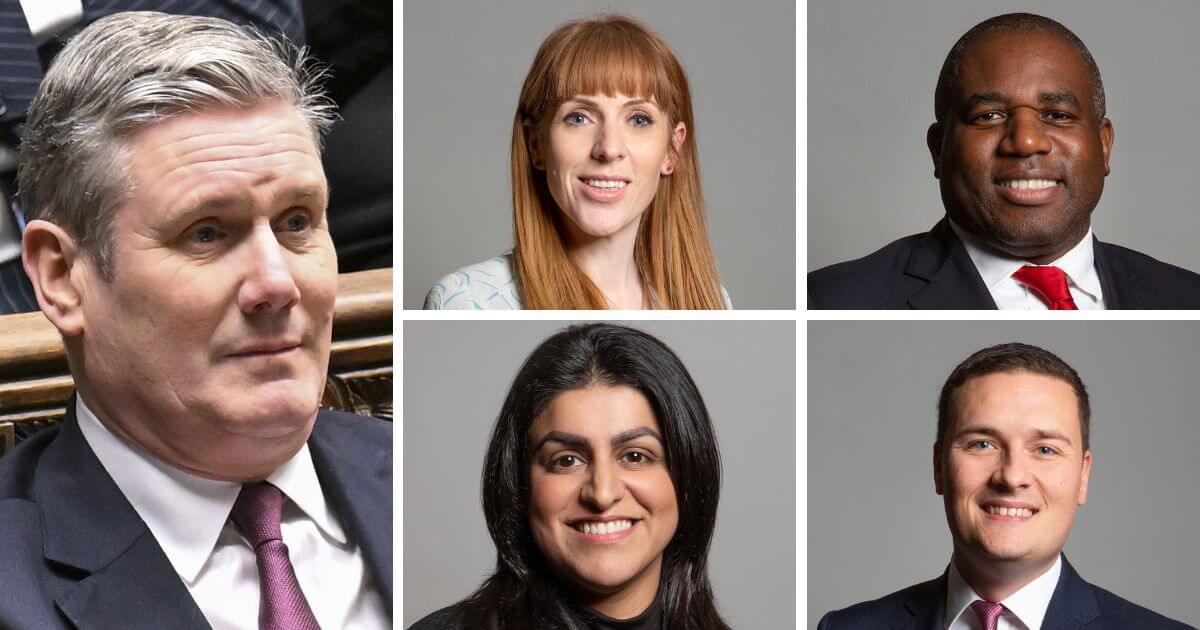
The Labour cabinet is deeply divided on assisted suicide with fewer than half indicating they support making assisted suicide legal despite the Prime Minister’s vocal support for a change in the law, according to their previous voting records and public statements.
With Kim Leadbeater MP’s assisted suicide Bill set to be tabled next week, Right To Life UK has undertaken an analysis of the likely voting intentions of the Labour cabinet.
Based on previous votes for assisted suicide in 2015 and 1997, as well as recent public comments on the issue, fewer than half of the MPs within the Labour cabinet appear to support assisted suicide becoming legal and would be likely to vote for a change in the law next month.
Ten members of the cabinet are likely to vote against a change in the law based on their previous votes and public statements, while the views of two members of the cabinet remain entirely unknown having no known statements on the matter nor were they elected Members of Parliament for the last assisted suicide vote in the House of Commons in 2015.
Against making assisted suicide legal
Deputy Prime Minister – Angela Rayner
Rayner voted against making assisted suicide legal in 2015 and has reportedly not changed her mind on the issue.
Foreign Secretary – David Lammy
The Foreign Secretary voted against making assisted suicide legal in 2015 and last year told LBC that he was “torn” on the issue. He said “I’m worried that we start somewhere and that it sort of ends up leading to legalised murder”.
“I’m just worried that certain types of people might find themselves encouraging others to help them go, not because they want to go or should go but more because of the financial burden”.
Secretary of State for Health and Social Care – Wes Streeting
While the Health Secretary voted in favour of making assisted suicide legal in 2015, he appears to have had a change of mind on the issue. Earlier this year he expressed serious reservations about making assisted suicide legal declaring himself “conflicted” about assisted suicide.
The Health Secretary discussed the importance of making sure “people aren’t coerced into exercising their right to die” because of a lack of support in end-of-life care.
“Candidly, when I think about this question of being a burden, I do not think that palliative care, end-of-life care in this country is in a condition yet where we are giving people the freedom to choose, without being coerced by the lack of support available”, he added.
Lord Chancellor and Secretary of State for Justice – Shabana Mahmood
Mahmood voted against making assisted suicide legal in 2015 and she has remained a vocal opponent of assisted suicide. In July this year, she said, “I don’t intend to support it”.
“I know some MPs who support this issue think, ‘For God’s sake, we’re not a nation of granny killers, what’s wrong with you’… [But] once you cross that line, you’ve crossed it forever. If it becomes the norm that at a certain age or with certain diseases, you are now a bit of a burden… that’s a really dangerous position”.
Secretary of State for Business and Trade – Jonathan Reynolds
The Business Secretary voted against making assisted suicide legal in 2015 and continues to express reservations about the matter. In September, he was reported as saying “I would really worry about how we would protect vulnerable people from that”.
“I personally wouldn’t vote for assisted dying to be introduced”.
Parliamentary Secretary to the Treasury (Chief Whip) – Alan Campbell
The Chief Whip voted against making assisted suicide legal in 1997 and 2015. He is not known to have changed his mind.
For making assisted suicide legal
Prime Minister – Keir Starmer
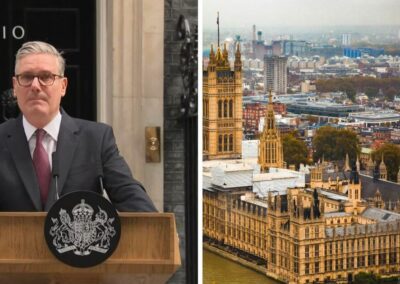
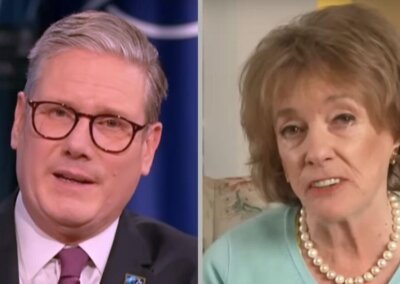
The Prime Minister previously voted in favour of making assisted suicide legal in 2015 and has been an outspoken supporter of a change in the law since. Earlier this year, Starmer assured the former presenter Esther Rantzen that he would make time for a vote on assisted suicide.
Secretary of State for Energy Security and Net Zero – Ed Miliband
Miliband voted in favour of making assisted suicide legal in 2015. Earlier this month, he reaffirmed this position saying “I think the current situation is rather cruel, actually. I think people having control over their own life and their own death is something that is the right thing to do. Obviously, there have to be proper safeguards and I understand the concerns of some people on these issues, but my personal view will [be to] vote in favour of this bill”.
Chancellor of the Duchy of Lancaster – Pat McFadden
McFadden voted in favour of making assisted suicide legal in 2015. His views are not known to have changed.
Secretary of State for Work and Pensions – Liz Kendell
The Work and Pension Secretary voted in favour of making assisted suicide legal in 2015 and made strong statements in support of a change in the law at the time. She described it as a “step forward as a country”.
“We don’t talk about what might make a good death and it’s something other countries, I believe, may be more open about”.
Secretary of State for Transport – Louise Haigh
Haigh voted in favour of making assisted suicide legal in 2015.
Secretary of State for Science, Innovation and Technology – Peter Kyle
Kyle voted in favour of making assisted suicide legal in 2015. At the time, he said, “In the most profound moment in everyone’s life, the moment of death, we have no control at all. For those in the knowledge of their imminent death, I think this is wrong”.
In 2020 he shared on X “Assisted dying is a tough issue for our politics but we can’t keep sidestepping”.
“We fight for choice and control throughout life but only the rich can afford choice (Switzerland) at the end of life. It’s time to think again”.
Secretary of State for Northern Ireland – Hilary Benn
The Northern Ireland Secretary voted in favour of making assisted suicide legal in 2015. Earlier this year, he reaffirmed his support for a change in the law saying “I would support [assisted suicide legislation] again because I remain of the view that those who are facing the prospect of their own imminent death should be able to determine the timing and the manner of it”.
Secretary of State for Scotland – Ian Murray
Murray voted in favour of making assisted suicide legal in 2015 and more recently, in the context of Liam McArthur’s assisted suicide Bill in Scotland, said “I don’t disagree with the principle of assisted dying”.
Lord President of the Council and Leader of the House of Commons – Lucy Powell
Powell voted in favour of making assisted suicide legal in 2015.
Secretary of State for Wales – Jo Stevens
The Welsh Secretary voted in favour of making assisted suicide legal in 2015.
Undecided on assisted suicide/position unclear
Chancellor of the Exchequer – Rachael Reeves
Rachael Reeves was absent for the 2015 vote on assisted suicide and a public statement on the matter indicates she is undecided. Earlier this year she said “I haven’t made up my mind about assisted dying. I would need to give it more consideration”.
“My worry would be that people would feel under pressure: ‘I’m no good for anybody; people would be better off without me.’ That would worry and scare me, so I’d want to make sure that the right safeguards were in place”.
Home Secretary – Yvette Cooper
Although the Home Secretary was absent from the 2015 vote on assisted suicide, she did vote in favour of ‘Doctor Assisted Dying’ in 1997. It is unclear what her current views on the matter are.
Secretary of State for Defence – John Healey
Like Yvette Cooper, Healey was absent from the assisted suicide vote in 2015, but did vote in favour of the practice in 1997. It is unclear what his current views are.
Secretary of State for Education – Bridget Phillipson
Phillipson voted against making assisted suicide legal in 2015 though, last year, she said there was an “argument for having a vote”.
Secretary of State for Culture, Media and Sport – Lisa Nandy
Nandy was absent from the vote on assisted suicide in 2015.
Secretary of State for Environment, Food and Rural Affairs – Steve Reed
Reed was absent from the vote on assisted suicide vote in 2015.
Chief Secretary to the Treasury – Darren Jones
Jones was not a sitting MP for the last vote on assisted suicide in 2015. His position on assisted suicide is unclear.
Minister of State (Minister for Women and Equalities) – Anneliese Dodds
Dodds was not a sitting MP for the last vote on assisted suicide in 2015. Her position on assisted suicide is unclear.